Insights / History
Blood and Profits: What Corporate Complicity in Forced Labor Teaches Today
By Warren Pulley ·
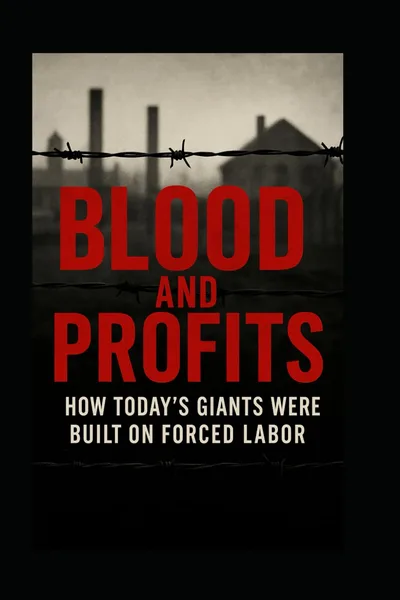
Blood and Profits makes an argument a reader should understand before opening it: behind the battles of World War II lay another war, fought in boardrooms, banks, and factories. The corporations that aligned with Nazi Germany and used forced labor were not bystanders. The book's position is that they were beneficiaries.
What does the book examine?
Drawing on archival documents, survivor testimony, and corporate records, it examines how automakers, chemical and industrial firms, banks, and insurers profited from forced labor and supported the regime, and how some brands rebuilt their image after the war. Its central image is ledgers that recorded human beings as units of profit.
Why does this history still matter?
Because the book's subtitle makes a claim about the present: many of these companies' legacies remain with us today. The history is a reminder that organizations make moral choices through ordinary decisions about suppliers, labor, financing, and silence. Those choices are recorded, and they outlast the people who made them.
How does it connect to security work?
Security and risk professionals increasingly deal with supply chain integrity and human trafficking risk. The ISPI research library includes policy briefs on supply chain security and tourism and human trafficking risk. The historical record in Blood and Profits shows what happens when an organization treats people as an input and decides not to ask questions.
Who is it for?
Readers of World War II and Holocaust history, business ethics, and corporate accountability. The book is written for readers of works such as Edwin Black's IBM and the Holocaust and Adam Tooze's The Wages of Destruction. It is a serious book about real suffering, and it treats survivor testimony as central evidence.
Get Blood and Profits
Paperback on Amazon Kindle on Amazon See the book page
As an Amazon Associate I earn from qualifying purchases.
Working on a threat concern now? Get the free Threat Assessment First-Response Checklist.